
The Hope Standard Blog


Before They Leave Home: What the "Red Zone" Is Really Telling Us
By: Rachel Freeman & Atarah A.M. Smith | Date: 7/12/2026
Every August, the air shifts on college campuses across the country. Roughly 14 million students return from summer vacations to begin a new school year — some reconnecting with friends, while others are flipping the page to an exciting new chapter. [1] Move-in weekend fills parking lots with overstuffed cars and tearful goodbyes. Orientation schedules are packed. Group chats buzz with excitement. Then, somewhere in the middle of all that hope and possibility, a window of danger quietly opens.
It's called the Red Zone, the period between August and November when incoming college students face a dramatically elevated risk of sexual assault. In their undergraduate years, 1 in 5 women and 1 in 16 men are sexually assaulted. [2] More than 50% of those sexual assaults happen during this time period. [3]
For student athletes, the numbers are even worse: 2.5x more likely to be sexually abused by college authority figures than their peers. [4] Only 25% of these survivors report their abuse to administrators, with many fearing retaliation or losing their scholarships. [4]
This is not a coincidence. It's a collision: newfound freedom, unfamiliar environments, social pressure, alcohol, and — too often — a foundation around consent and healthy relationships that was never fully built. The resulting outcomes become preventable tragedies.
We're launching this blog because we believe that window doesn't have to exist, and SAC, along with the community, can be more proactive in our approach to addressing sexual abuse. The tradition of assault and exploitation is a cycle capable of being fractured, if we choose courage and intentionality. You might be surprised by the power you hold to help close it.
Understanding the Storm
When students leave home for the first time, they leave behind the invisible scaffolding of their daily lives — curfews, check-ins, familiar faces, and the steady presence of people who love them. That's not a flaw.
That's growing up.
But stepping into freedom without the tools to navigate it creates vulnerability, and there are people who prey on exactly that.
Add alcohol into the mix (and we know it's there) and judgment gets cloudy for everyone. Inhibitions drop. Situations escalate faster than anyone anticipated, and young people who may have never had a real conversation about consent suddenly find themselves in the middle of one... sometimes without realizing it.
This isn't about blaming students for what happens to them. It never will be. But we must be honest: the Red Zone is a preparation problem, not a campus problem. And it starts long before orientation week.
We've Been Having the Wrong Conversations
For decades, we’ve sent young women off to college with warnings about what not to wear, where not to go, and how not to attract the wrong kind of attention. We sent young men off with a wink and a warning not to get anyone pregnant. Neither message said a word about consent. Neither message demonstrated what a healthy relationship actually looks like, or how to recognize when something has gone wrong.
That's the gap we're living with right now.
The students arriving on campuses this fall were raised by parents who largely received those same incomplete messages. Breaking a cycle requires first seeing it, and then deciding, deliberately, to do something different.
Here's what different looks like: it starts in preschool, with tickle fights. When a child says stop and you stop, you've just taught them what consent feels like. When you let your child say "I don't want to hug Grandma right now" without shaming them, you've just taught them that their body belongs to them. Of course, you approach this with nuance and care, but these are not radical ideas. They are small, repeated moments that build the kind of internal compass young people desperately need when they're eighteen and on their own.
The Work Belongs to All of Us
A one-time presentation during orientation week is not enough. We know this. A single powerful story — even a devastating one — can actually make it easier to think, “that would never happen to me.” Real change requires repetition, nuance, and community.
Imagine this instead: parents receive guidance before move-in weekend. Orientation programming is followed by conversations in October, and November, and beyond. High schools prepare students before they ever set foot on a campus. Faculty, coaches, resident advisors, and counselors all speak the same language around consent and healthy relationships.
Imagine sororities, fraternities, athletic programs, and student organizations treating this not as a compliance checkbox, but as a core part of who they are.
That's not a fantasy. That's a choice — one that institutions, and families, can make right now.
What We're Here to Do
This blog exists to be part of that change. We'll talk about the hard things with honesty and compassion. We'll dig into the nuances, because nuance is exactly what's missing from most of these conversations. We'll bring you research, stories, practical tools, and the kind of frank discussion that actually moves people.
Because the truth is, the Red Zone doesn't have to be red. It can be just another August — spilling with excitement and possibility and students who have been genuinely prepared for the next chapter.
They deserve that. We're here to help make it happen.
Together, we can eradicate sexual abuse from our communities — not just for this generation, but for the ones coming after them. That work starts now.
About the Authors

Rachel Freeman
, LCSW
Sexual Assault Center | CEO
Rachel Freeman is CEO of the Sexual Assault Center, where she has dedicated over two decades to serving survivors. She began as a Clinical Intern in 2002 and rose through the organization as Clinical Director and Vice President of Programs before being named CEO in 2018. Under her leadership, SAC has expanded its prevention work to help reduce sexual violence and continues to enhance service delivery.
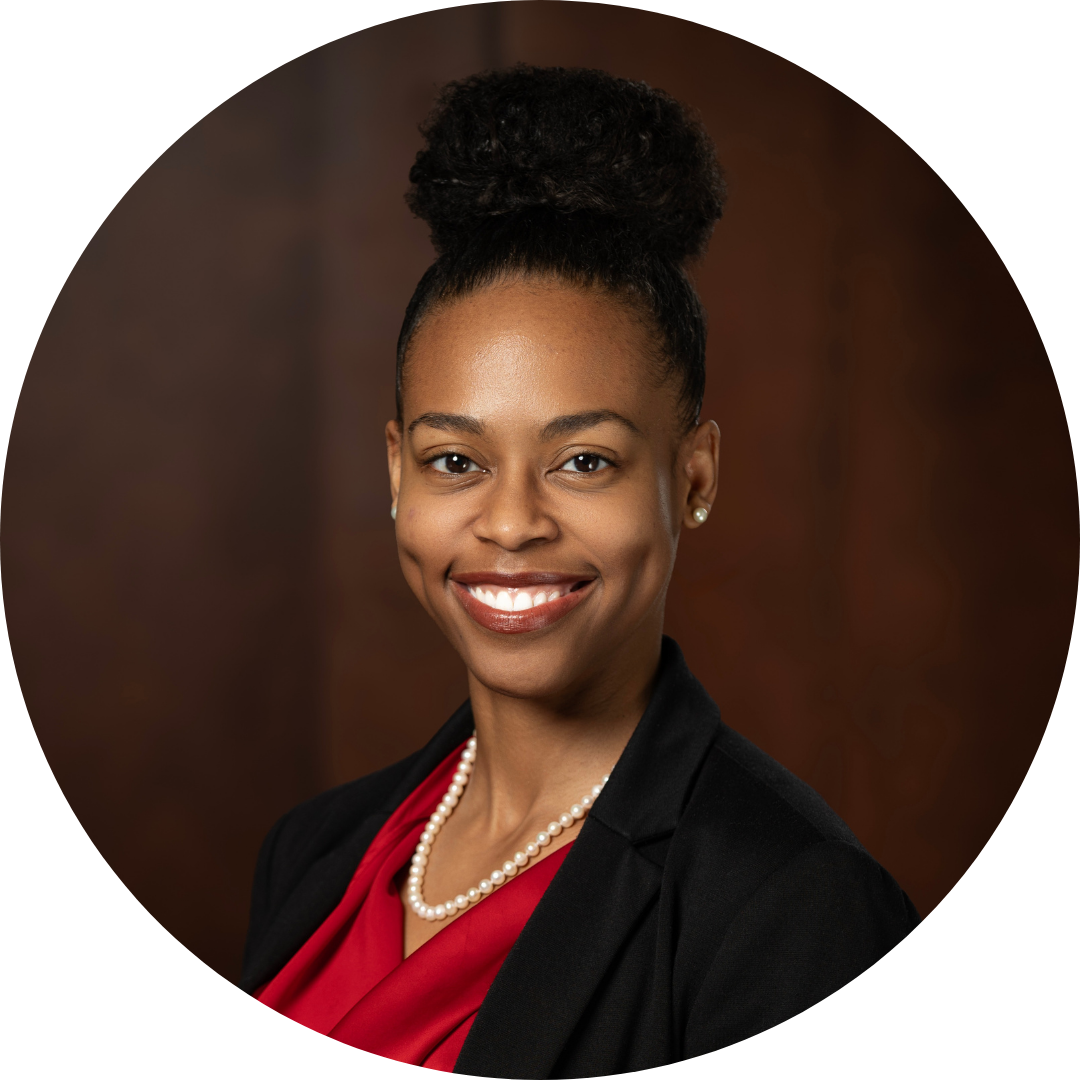
Atarah A.M. Smith
, MS
Sexual Assault Center | Community Relations Manager
Serving vulnerable populations for over a decade, Atarah is the Community Relations Manager at the Sexual Assault Center, where she supports survivors healing through fundraising, communications, and community engagement.
Sources
[1] 40+ College Enrollment Statistics in the United States (2024–2025), (https://high5test.com/college-enrollment-statistics/)
[2] National Sexual Violence Resource Center. (2025, September 25). What do you need to know about sexual assault on college campuses? https://www.nsvrc.org/what-do-you-need-know-about-sexual-assault-college-campuses/
[3] Campus Sexual Assault Study, 2007; Matthew Kimble, Andrada Neacsiu, et. Al, Risk of Unwanted Sex for College Women: Evidence for a Red Zone, Journal of American College Health (2008)
[4] Cyphers, K. (2021, August). Campus sex abuse by authority figures. Lauren’s Kids.
Have questions or want to bring this conversation to your campus or community? We'd love to hear from you. Contact Atarah A.M. Smith at ataraham@sacenter.org.

The Hope Standard is supported in part by Marsy's Law for Tennessee, which advocates for the constitutional rights of crime victims and survivors. Learn more at marsyslawfortn.com.
The Hope Standard is supported in part by Marsy's Law for Tennessee, which advocates for the constitutional rights of crime victims and survivors. Learn more at marsyslawfortn.com.