
The Hope Standard Blog

 (1).png)
Her Safety Mattered Before the Arrest
By: Atarah A.M. Smith & Brenda Ayala & Genefer Aguilar | Date: 11/6/2026
"Is this real?”
“Hey, is what real?” Brenda, SAC’s victim advocate, asked a breathless Rosalie on the other side of the receiver. Rosalie was one of her clients who’d been sexually assaulted recently and was enduring a painfully slow process to bring charges against the man she reported as abusing her.
“Did they really arrest him?” asked Rosalie. “His mugshot is all over the Internet.”
Surprised, Brenda thought she hadn’t heard her correctly then considered that there may have been a mix up. Typically, detectives would have notified Brenda about any progress made in a victim-survivor's case. It was one of the many things Brenda appreciated about SAC – that the center has strong relationships with police departments across Middle Tennessee, area hospitals, attorneys, and other organizations.
So not being told about this update was strange.
“I don’t know,” Brenda finally confessed. “Let me find out more information for you. I’ll call you back.”
Once Brenda hung up, she immediately dialed the number of the detective overseeing Rosalie’s case and left him a voicemail requesting an update. While she waited, she scrolled through the internet and social media, hunting for what Rosalie had seen. Eventually, she came upon a story about a sting operation in Rosalie’s home county and recognized the man accused of assaulting Rosalie, among a collection of other men.
After months of uncertainty, there was finally movement in Rosalie’s case. Then, she noticed the article’s subtitle: ICE reports that 12 arrested in sting operation are non-citizens.
Brenda’s relief deflated. This didn’t look like a break in Rosalie’s case. It was the byproduct of an ecosystem that treated her assault as a convenient tool, rather than the trigger for true justice.
Rosalie reported her assault, underwent a Medical Legal Exam in SAC’s SAFE Clinic and took the difficult steps necessary to pursue charges. For months, she waited for updates. Meanwhile, she wrestled with the terror of crossing paths with the man she reported, feeling unsafe in her home, wrangling flashbacks and restlessness.
Of course, Brenda knew investigations and case building take time. But now, as she reviewed that extensive list of charges beneath this man’s mugshot, including the crimes against Rosalie, she couldn’t help but wonder: would this arrest have happened at all without the immigration operation? And perhaps most troubling of all, why hadn’t Rosalie’s sexual assault allegations been enough on their own to bring about action sooner?
Shouldn’t Sexual Assault Be Enough?
For Rosalie, the arrest brought relief. She could sleep better knowing he was in custody, a feeling many survivors don’t get to experience.
But it also raised an uncomfortable truth: the evidence of Rosalie’s trauma hadn’t been enough to move the criminal justice system swiftly, but her alleged attacker’s lack of citizenship had.
While the circumstances of the arrest do not tell us everything about the investigation or why it took as long as it did, they do highlight another difficult reality for many survivors: the time between reporting an assault and seeing meaningful action can feel endless and the outcome often does not feel like justice. In a 20-year review of U.S. cases, 89% of reported rape and sexual assault cases were determined by police to likely have occurred, yet only 8% ended in conviction. [1]
Rosalie’s safety mattered before the immigration operation. Her trauma mattered before the arrest. And her right to be heard should never depend on what other enforcement priorities happen to bring attention to her case.
This is not about choosing sides in an immigration debate. It's about a principle that should unite us: sexual assault is a serious crime, and every survivor deserves to have their report taken seriously, investigated thoroughly, and addressed as promptly as the evidence and legal process allow.
At SAC, we see firsthand what prolonged uncertainty can do to survivors. We also see the difference that compassionate advocacy and strong partnerships with law enforcement and community agencies can make. Our goal is not simply to point out where systems fall short, but to help strengthen the response, so fewer survivors experience the fear and isolation Rosalie endured.
The People Behind the Support
Genefer is another SAC victim advocate who works with survivors from all walks of life and provides bilingual care. Like Brenda, she guides survivors through a Medical Legal Exam, helps them navigate their options after, and connects them to resources. Often, she accompanies survivors to court as well.
Advocates help survivors navigate not only the emotional impact of sexual assault but also the practical challenges of accessing care and pursuing justice. For survivors facing language barriers, unfamiliar systems, or experiences of discrimination, that support can be especially important.
Genefer has witnessed firsthand how language barriers and experiences of exclusion can affect Hispanic individuals as they navigate the legal system.
“While accompanying a client to a Middle Tennessee courthouse, I encountered situations that made me concerned about whether my client was receiving the same consideration and treatment as others. Language differences also made it more difficult for her to understand and navigate the process,” Genefer explained.
“Some of my clients and I have also faced interactions that left us feeling unwelcome because of our Hispanic backgrounds. These experiences have been difficult, particularly in a community where I have spent my entire life.”
Encounters like these can make an already difficult process even more intimidating for survivors. This is demonstrated by 36% of a national network of advocates who work with immigrant survivors reporting that their clients dropped civil or criminal cases against their abusers out of fear (survivors’ arrest, detention, abusers’ threat to have survivor deported, and heartbreak of family separation). [2]
For Hispanic survivors of sexual violence, seeking help and navigating the legal system can involve challenges that extend beyond the trauma itself. Language barriers, cultural stigma, fear of being misunderstood, and experiences of discrimination can make it more difficult to report abuse, access resources, or feel comfortable engaging with service providers.
Lifting that weight is possible.
SAC's team brings a wide range of backgrounds, professional expertise, and lived experiences to its work. That variety helps advocates build trust, overcome barriers, feel more supported, and provide care tailored to each survivor's needs — critical components in survivor care. Our commitment to providing services that are respectful and accessible to people from every background also shapes a welcoming space for all survivors.
But the people providing that care need support, too.
Crisis response is heavy work, and SAC recognizes the emotional demands of that. To guard against burnout and help staff continue to show up for survivors, our organization invests in employee well-being.
“Our manager is great at making sure we’re being taken care of, and SAC does offer tools. They give us time off. They give us therapy. There’s a lot they do,” said Genefer. “But this is also direct crisis work.”
A Stronger Community Response Starts With All of Us
Advocates regularly meet people during some of the darkest moments of their lives, offering hope, compassion, and practical help when everything feels uncertain. And as community resources become increasingly strained, the need for strong, accessible support systems that are survivor-focused grows.
Imagine being in a victim advocate’s shoes, helping a survivor find their footing who entered the SAFE Clinic because she’s just been assaulted. Imagine helping that person process the horrible details of what they endured and reassuring them that they have choices, that their voice matters, and that they do not have to navigate what comes next alone.
When survivors already face significant barriers to seeking support, feeling unwelcome or misunderstood can further impact their willingness to come forward. Creating culturally responsive, accessible, and supportive environments is essential to ensuring every survivor feels heard, respected, and empowered.
No single advocate, agency, or institution can carry this responsibility on their own, helping a survivor navigate the complex aftermath of assault. Supporting survivors well requires a coordinated community response—one that brings together organizations, professionals, and everyday citizens and anchors to survivor-focused, inclusive care.
As we close out October, which saw the end of Hispanic Heritage Month, and shift into the holidays, we reflect on the power of the partnerships that we've built over the years. SAC is proud to work alongside law enforcement agencies, hospitals, Sexual Assault Nurse Examiners (SANEs), attorneys, and other partners who share a commitment to supporting survivors and strengthening our community's response to sexual violence. These relationships help ensure survivors can access compassionate care and knowledgeable guidance when they need it most.
But there are more advancements to be made, and everyone has a role to play.
Get involved in the work, whatever that looks like for you:
- Use your voice. Ask your local leaders what survivor notification case timelines look like in your state and your county, and support policies that fund victim services.
- Examples: are survivors told when arrests happen? Are staff trained in trauma-informed practices? Are in-court interpreters available?
- Treat everyone with respect.
- Coming forward about endured abuse is difficult enough. Respond with care, dignity, and without judgement, regardless of their background.
- Learn about available resources.
- If someone we care about shares something as vulnerable as experiencing sexual assault, we often want a way to help. Know about available resources:
- SAC’s 24/7 SAFE Clinic for free Medical Legal Exams
- SAC’s 24/7 statewide crisis and support line that’s free and anonymous to access anytime at 1-866-811-7473
- Safe Bars – where patrons can enjoy safer nights out
- If someone we care about shares something as vulnerable as experiencing sexual assault, we often want a way to help. Know about available resources:
- Bring change to your environments. Churches, clinics, hospitals, law enforcement precincts, schools, courts, universities, employers and more can partner with SAC on building survivor-centered practices and cultures of accountability through tailored trainings.
- Give time or a gift. Volunteer with organizations like SAC or donate and help keep services available, like the SAFE Clinic, the hotline, therapy sessions, victim advocacy, and community programs stopping the next assault before it occurs.
At SAC, we believe every survivor should be heard, supported, and treated with dignity, regardless of their background or circumstances. Survivors, and the professionals who support them, deserve a system that responds with compassion, urgency, and respect. Ensuring survivors feel safe, heard, and supported is an important part of building a healthier, stronger community for everyone.
Behind every survivor who reaches out to SAC is a team ready to respond with compassion and expertise, but that commitment depends on a community willing to stand with us.
Rosalie had Brenda in her corner.
Countless donors, partners, and advocates made that possible. Speak up, volunteer, train your team, or give. Help this work move forward, so the next survivor has someone walking with them on their healing journey.
*Names and identifying details of clients altered for privacy.
About the Authors
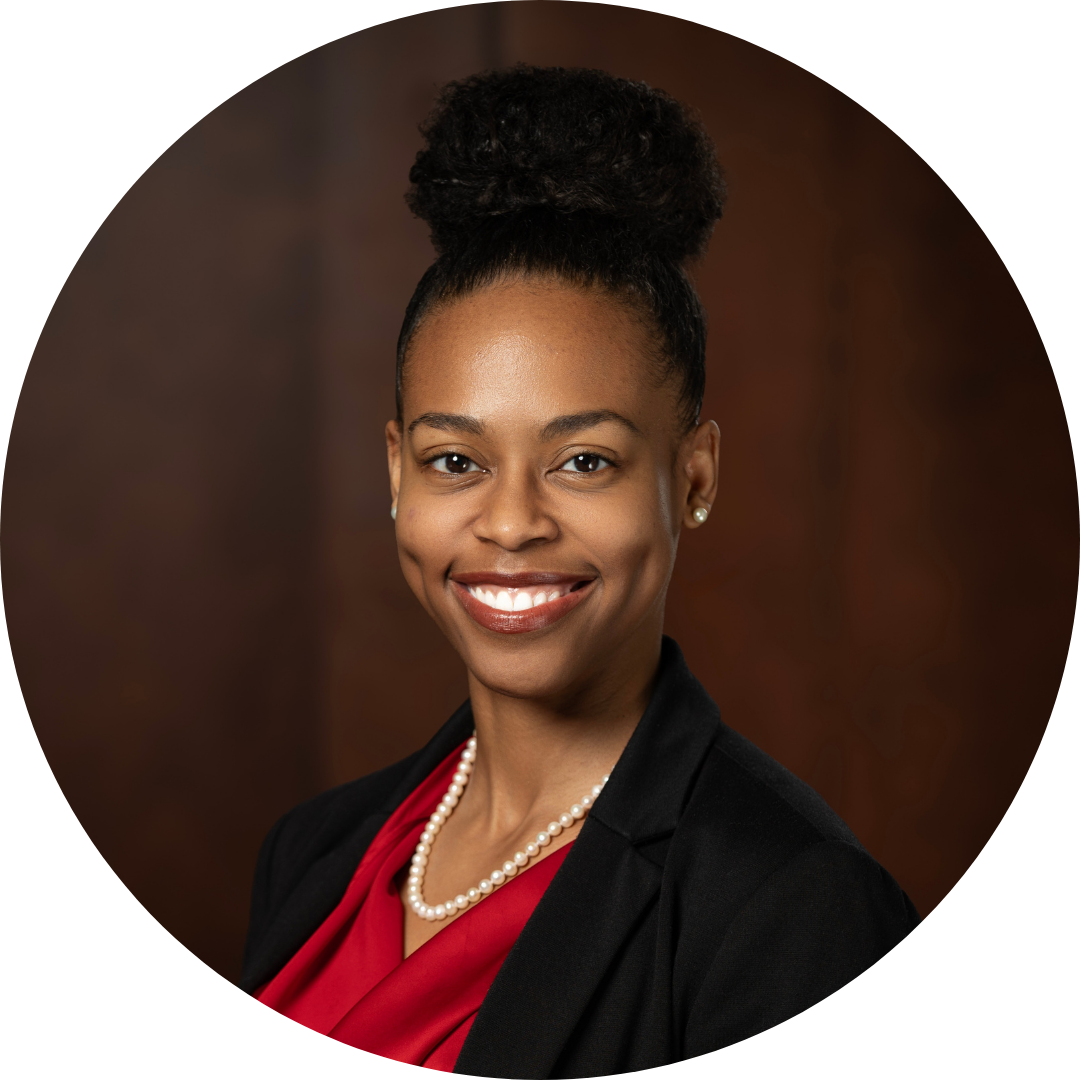
Atarah A.M. Smith
, MS
Sexual Assault Center | Community Relations Manager
Serving vulnerable populations for over a decade, Atarah is the Community Relations Manager at the Sexual Assault Center, where she supports survivors healing through fundraising, communications, and community engagement.
.png)
Brenda Ayala
Sexual Assault Center | Advocacy Manager and Bilingual Victim Advocate
Brenda is the Advocacy Manager and billingual victim advocates who guides survivors through the healing process. Learn more about SAC's victim services here.
.png)
Genefer Aguilar
, BSW
Sexual Assault Center | Bilingual Victim Advocate
Genefer Aguilar is a Bilingual Victim Advocate that has served survivors for the past six years after beginning as a Clinical and Hispanic Client Services Intern in 2019. With a background in social work, she is passionate about empowering survivors through culturally responsive advocacy, community outreach, and education, particularly within the Hispanic/Latinx community.
Sources
[1] RAINN. (2026). Facts & statistics: Sexual violence in America. Retrieved October 29, 2026, from https://rainn.org/get-informed/sexual-violence-statistics/
[2] Alliance for Immigrant Survivors. (2025). Fear and silence: 2025 insights from advocates for immigrant survivors of domestic violence, sexual assault, and human trafficking [Report]. https://static1.squarespace.com/static/5b9f1d48da02bc44473c36f1/t/6939b75619bb9e221999a83a/1765390166359/AIS-Report_Fear-and-Silence_Dec2025.pdf
[3] Cuevas, C. A., & Sabina, C. (2010). Final report: Sexual assault among Latinas (SALAS) study (NCJ 230445). National Institute of Justice. https://ojp.gov/ncjrs/virtual-library/abstracts/final-report-sexual-assault-among-latinas-salas-study
Have questions or want to bring this conversation to your campus or community? We'd love to hear from you. Contact Atarah A.M. Smith at ataraham@sacenter.org.
The Hope Standard is supported in part by Marsy's Law for Tennessee, which advocates for the constitutional rights of crime victims and survivors. Learn more at marsyslawfortn.com.
The Hope Standard is supported in part by Marsy's Law for Tennessee, which advocates for the constitutional rights of crime victims and survivors. Learn more at marsyslawfortn.com.